Everyone knows that exterior air pollution can be unpleasant and harmful to health, but how often do you think about the air quality inside your own home? Arizona homeowners face unique challenges in this regard, thanks to the extreme climate. Knowing how to tell if your air is compromised will help you stay on top of the issue. Here are five key signs of poor indoor air quality to watch out for.
1. Unexplained Allergy Symptoms or Illness
Pollutants in indoor air have been linked to a number of health concerns, including respiratory conditions, headaches, fatigue and irritation of the nose, throat and eyes. Experiencing new symptoms of poor indoor air quality, especially if you have only recently moved into your home — is a key clue that something is not right. Check with your doctor, but in the meantime:
Consider investing in high-MERV-rated HVAC filters.
Change filters every one to three months.
Use an air purifier with a HEPA filter in high-traffic rooms or bedrooms.
Keep windows closed during dust storms and on high-pollen-count days.
2. Constant Dust Buildup
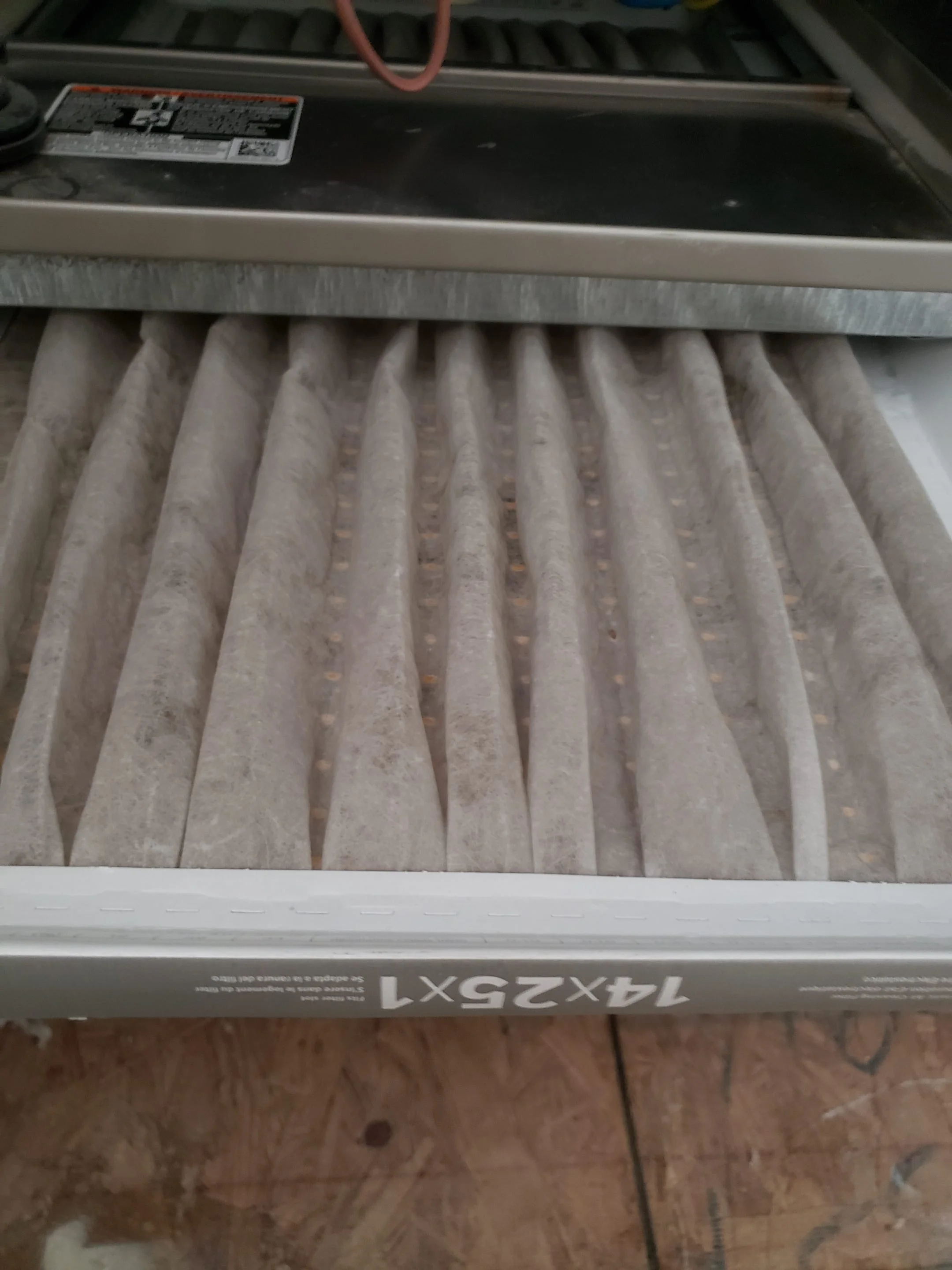
Check your air filters for dust build up. If they look like this, it is time to replace them.
Quickly noticing a new layer of dust after cleaning is a clear sign that your air filtration is lacking. Leaky or dirty air ducts are a primary culprit, as they can pull dust from attics or crawl spaces and blow it into the home. To address this:
Dust with a damp microfiber cloth to trap particles rather than spread them.
Schedule a professional HVAC inspection to check for leaky ductwork.
Consider professional duct cleaning if the buildup is severe.
3. Lingering Odors or Stuffy Air
Stale or musty smells indicate poor ventilation. If air isn’t circulating properly, odors from cooking, pets or chemicals get trapped. To fix this, use kitchen and bathroom exhaust fans to remove moisture and odors at the source. You can also improve cross-ventilation by opening windows on opposite sides of the house during cooler mornings or evenings.
4. Visible Mold or Mildew
Any visible mold indicates a larger moisture and air quality problem. Check carefully, especially in bathrooms, kitchens and around windows. (Or, get a professional mold test if you suspect mold Mold releases harmful spores into the air, which have been linked to upper respiratory symptoms and the development of asthma in children. To handle mold:
Clean small areas on hard surfaces with a solution of equal parts vinegar and water — let it soak for a few minutes before wiping.
Use a dehumidifier in damp areas.
Identify and repair any water leaks immediately.
If an area of mold is larger than approximately 3 feet by 3 feet, consult a professional regarding remediation solutions rather than trying to DIY.
5. Excessive Humidity or Dryness
This is where Arizona’s climate is a major culprit. The monsoon season, between June 15 and September 30, can introduce excess humidity, promoting mold and dust mites. Meanwhile, the more normal, very dry air can increase static and keep dust circulating. To help balance this out, use dehumidifiers and proper ventilation during the monsoon season. At other times, use a whole-home or portable humidifier.
Why Arizona Homes Need Indoor Air Quality
According to the American Lung Association, 84% of Arizona residents live in areas with unhealthy exterior air pollution levels. Due to the climate extremes, homes are often tightly sealed to keep cool, which can easily trap these pollutants indoors.
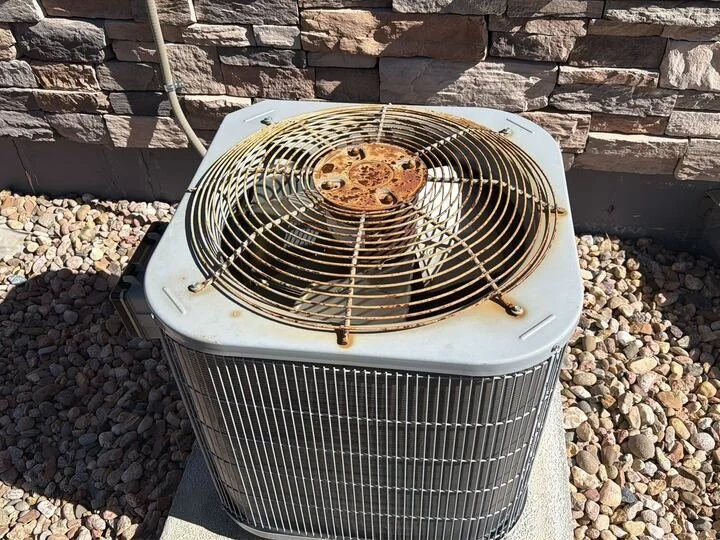
An outdoor HVAC condenser unit serves protective shield for your air conditioner, trapping dust and other particulates, though this one may have outlived its useful life expectancy.
Haboobs and desert-like terrain can deposit dust that remains airborne for longer. Increasingly, wildfire smoke and particulates can also be an issue. Most homes run HVAC units year-round, so pollutants may be constantly circulating. Poor indoor air quality causes, wherever you live, can include:
Mold
Pet dander
Dust
Household chemicals
Pollen
Volatile organic compounds (VOCs) from paint, air fresheners and furniture
However, the unique challenges of Arizona can exacerbate all of these causes, so many Arizonans may be affected by poor indoor air quality in their homes.
How to Fix Poor Indoor Air Quality
Learning how to fix poor indoor air quality yourself is a good start, and temporary fixes can help. However, the best long-term solution is regular, professional maintenance of all your home’s systems.
An annual HVAC inspection is crucial for maintaining good air quality — and a dusty, malfunctioning system may be a fire hazard as well as a source of pollutants. A simple inspection can ensure your electrical systems and air quality are in the best possible shape.
Protecting Against Air Quality Risks
While you can see dust, dander and mold, there are other, much more dangerous hazards that are undetectable. Radon gas is one such risk. This naturally radioactive gas is released when uranium breaks down in rocks and soil — and it is the second most common cause of lung cancer. You cannot see it, smell it or taste it, but it seeps into homes through foundation cracks or other openings.
Arizona’s geology makes it hard to predict where unsafe radon levels may be located. For the best protection, schedule a radon test for your family’s peace of mind.
How to Have a Healthy Home with Healthy Air
Taking care of your air can protect your family’s health. By staying alert for signs of poor indoor air quality and taking quick action to resolve any issues, you can help your home withstand Arizona’s climate. Breathing cleaner air is everyone’s right, so start indoors and enjoy year-round freshness.