
Don’t Dive in Blind: Why Every Arizona Homebuyer Needs a Pool Inspection
When buying a home, a sparkling pool can be incredibly tempting. But appearances can be deceiving. Without a professional pool inspection in Phoenix, hidden issues may go unnoticed, leading to costly repairs or safety hazards down the line. A proper inspection can uncover problems that are often overlooked, ensuring both buyers and real estate agents have a clear picture before closing the deal.
Common Issues Hidden from Buyers
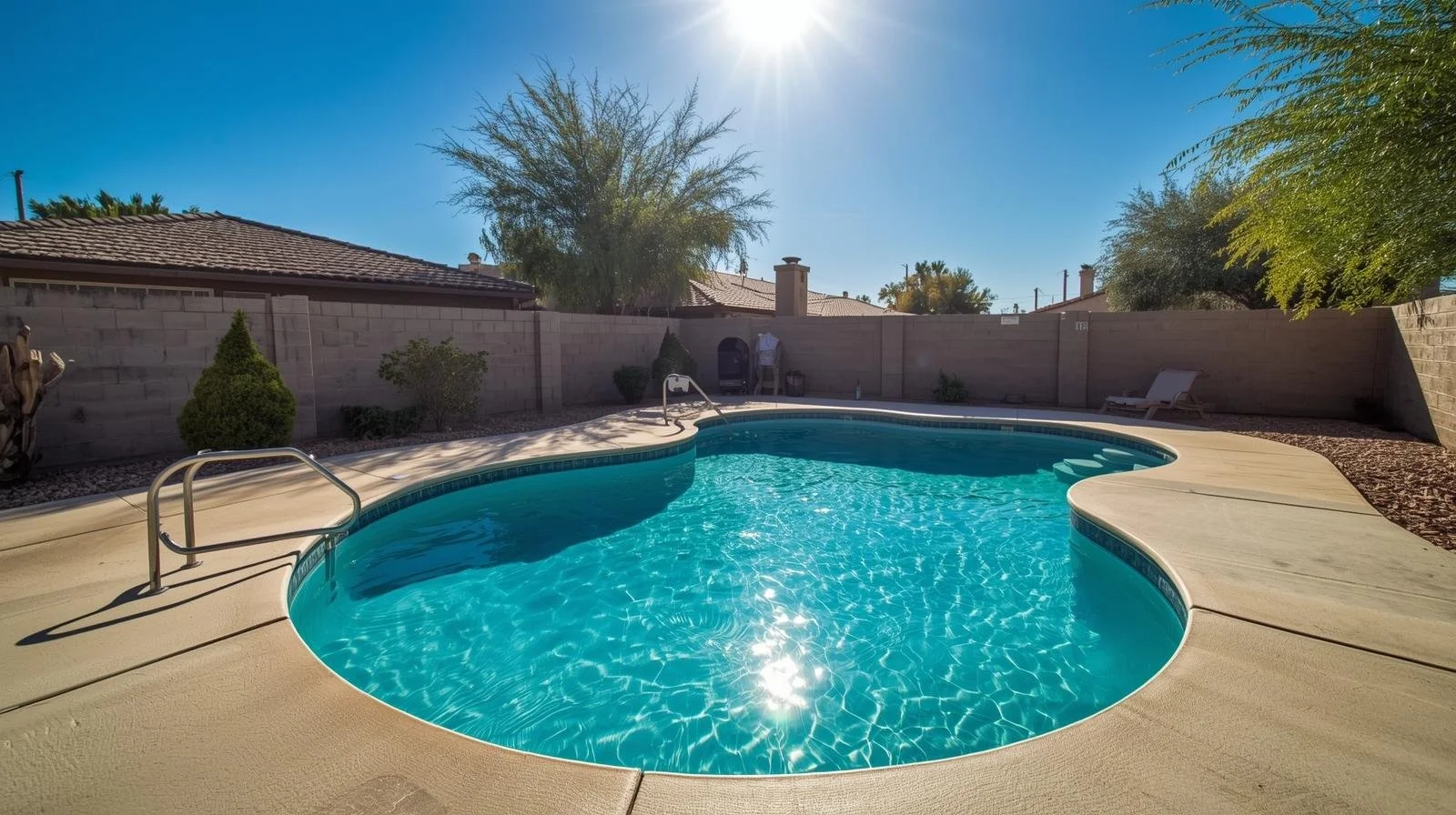
Arizona pools face can intense sun, dust, and monsoons thorough the year. Regular pool inspections can help protect your investment and ensure safe, long-lasting enjoyment.
Even a pristine-looking pool can hide serious issues. Many problems develop slowly over time and are exacerbated by Arizona’s warm climate. Common issues include:
Cracks and Structural Damage: The desert heat causes concrete and plaster to expand and contract, sometimes leading to hairline cracks or more significant structural damage. Small cracks may seem cosmetic but can eventually lead to leaks or even compromise the pool’s integrity.
Surface Damage and Degradation: UV exposure and chemical imbalance can degrade pool surfaces. Fading plaster, flaking tiles, or worn coatings are not always visible at first glance but can require costly resurfacing if left untreated.
Equipment Malfunctions: Pumps, heaters, and filtration systems may function intermittently or inefficiently. A pool may look fine, but outdated or failing equipment can dramatically increase maintenance costs.
Hidden Leaks: Leaks can be tricky to spot. A slight drop in water level may be dismissed as evaporation, but even a slow leak can damage surrounding landscaping and foundations.
Arizona homeowners can hundreds on pool repairs ,with undetected issues can push that number even higher. A pool inspection helps prevent surprises after purchase.
Safety and Liability Concerns
Pools aren’t just an aesthetic feature, they can also pose safety risks, and a professional inspection can reveal hazards that help protect families and reduce liability.
Electrical and Equipment Safety: Faulty wiring or improperly grounded pool equipment can pose serious electrocution risks.
Fencing and Barrier Compliance: Arizona law requires specific fencing standards for residential pools to prevent accidental drownings. Inadequate barriers or anti-entrapment devices may not be obvious during a casual walkthrough.
Slip and Trip Hazards: Rough or uneven decking, broken tiles, or poorly maintained ladders increase the risk of accidents around the pool area.
Simply put, identifying and addressing these risks is critical for home safety.
Long-Term Maintenance and Cost Savings
Investing in a pool inspection in Phoenix isn’t just about uncovering current problems. It’s about understanding potential long-term costs. A detailed report allows buyers to make informed decisions and plan for ongoing maintenance.
Pump and Filter Life Expectancy: Inspections help buyers know the remaining useful life of essential systems, preventing unexpected replacement costs.
Energy Efficiency: Older pumps, heaters, or lighting systems may be energy hogs. Identifying inefficiencies can save money and reduce environmental impact.
By addressing minor issues before purchase, homebuyers can avoid larger expenses later. A home pool inspection provides a clear picture of what maintenance will be required and how much it might cost.
The Pool Inspection Process

A professional pool inspector can evaluate a pool’s structure and systems, an essential step for Arizona homeowners to maintain safety and avoid costly repairs.
A pool inspection in Arizona are thorough, methodical, and focused on identifying both visible and hidden issues. Here’s what inspectors typically evaluate:
Structural Components: Walls, decking, coping, and liners are examined for cracks, settlement, or surface damage.
Water Quality and Circulation: Inspectors test chemical balance, clarity, and the efficiency of pumps and filters.
Equipment Functionality: Heaters, pumps, lights, and cleaning systems are checked to ensure proper operation and safety compliance.
Safety Features: Fencing, barriers, ladders, and covers are assessed against local safety codes.
Signs of Leaks or Water Loss: Using specialized equipment, inspectors can detect leaks that may not be visible to the naked eye.
A comprehensive inspection often includes a written report with photos, making it easier for buyers and agents to understand the pool’s condition and potential risks.
What You Need to Know
Pools are an attractive feature in Arizona homes, but what looks perfect on the surface may hide costly problems or safety hazards. Investing in a pool inspection in Phoenix provides a clear understanding of both current conditions and long-term maintenance needs. By uncovering hidden issues—structural damage, equipment failures, or safety risks—homebuyers and real estate agents can make informed decisions, avoid surprises, and ensure that the pool remains a source of enjoyment rather than stress.