
5 Hidden Costs of Skipping Winter HVAC Maintenance in Arizona
Winter in Phoenix and the surrounding Arizona communities may feel mild compared to other parts of the country, but cooler nights and fluctuating temperatures still put real demands on a home’s heating system. Many buyers are surprised to learn how quickly small HVAC issues can turn into expensive problems, especially when a system hasn’t been serviced before the colder months arrive.
Understanding the hidden costs of skipping winter HVAC maintenance can help buyers stay ahead of comfort issues, rising energy bills, and preventable repairs. In this blog, we break down the five most common consequences of neglecting winter HVAC care.
Why Does Winter HVAC Maintenance Matter in Phoenix?
Even in the desert, heating systems matter. Phoenix homes often rely on heat pumps that run year-round, switching between cooling in the summer and heating in the winter. These units may not work as hard as they do during the summer, but they still experience wear and tear. When winter arrives, the system must change operating modes, call on different components, and respond to wider temperature swings.
During inspections, HVAC-related issues are among the most common findings in older Phoenix homes. Some of the issues we see most often include clogged filters, failing heat strips, and duct leaks in the attic. A seasonal tune-up helps catch these concerns before they become costly surprises. And for home buyers, it provides reassurance that the largest mechanical system in the home is running safely and efficiently.
Hidden Cost #1: Higher Energy Bills
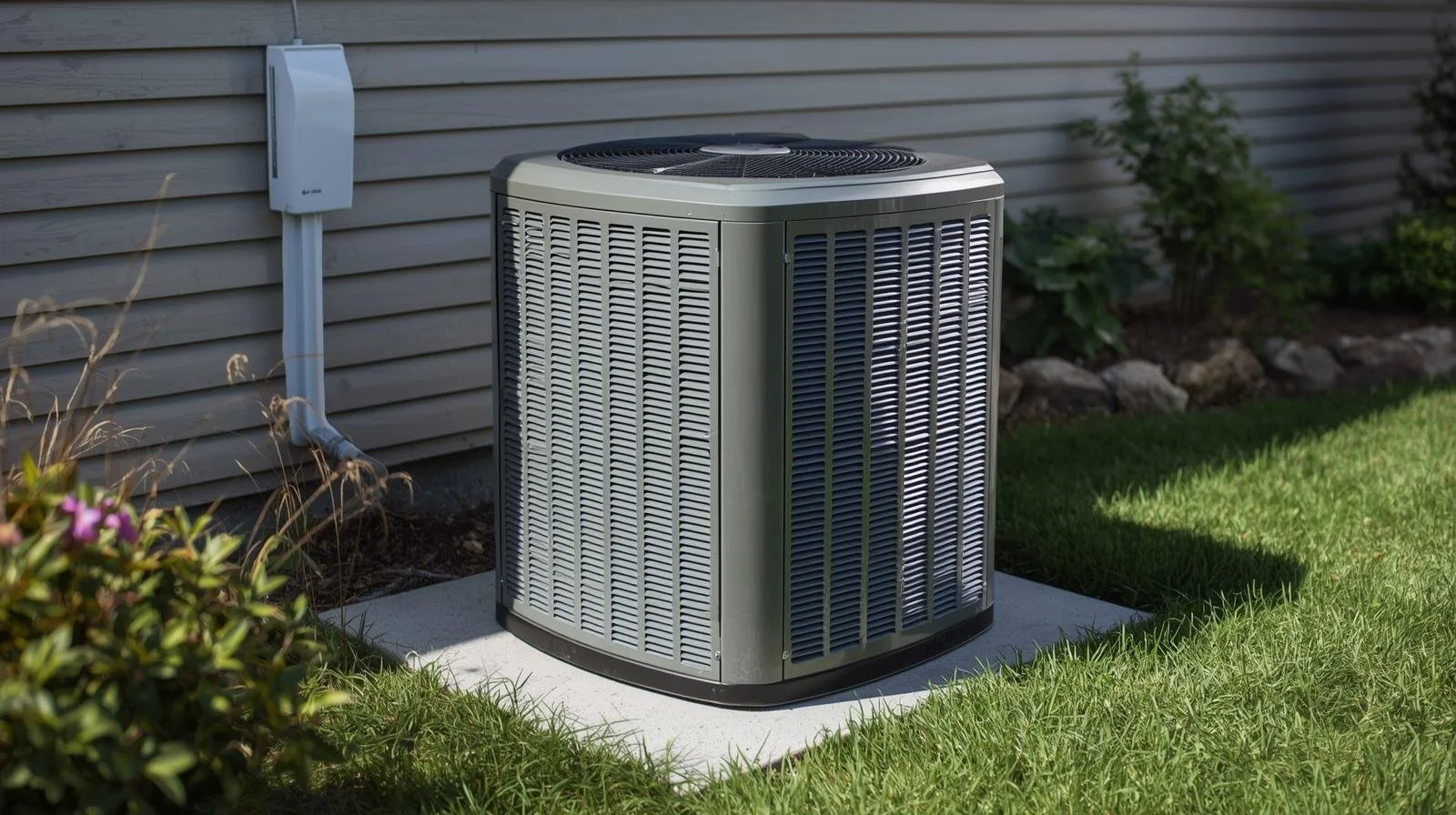
Take care of HVAC maintenance now and avoid any higher-than-expected energy bills this winter.
Skipping winter HVAC maintenance often leads to higher monthly utility costs. When parts like coils, filters, or blower fans get dirty, the system works harder to push warm air through the home. A heat pump operating in “defrost mode” can also draw more electricity when it isn’t properly calibrated or serviced.
Imagine a system running with a clogged filter and a partially blocked return duct. Over time, this reduced airflow forces the system to run longer, use more electricity, and perform unnecessary cycles. Even a 10–15% drop in efficiency can add up quickly, especially during peak morning and evening heating hours.
The hidden cost is simple: energy waste that buyers don’t notice until the bill arrives. And once inefficiency becomes the norm, the system’s lifespan shortens, creating a second financial impact down the road.
Hidden Cost #2: Expensive, Preventative Repairs
One of the biggest reasons to prioritize winter HVAC maintenance is the prevention of avoidable repairs. During inspections, it’s common to find minor issues like loose electrical connections, dirty coils, and failing capacitors. These issues would have been inexpensive to address earlier in the season. Left alone, they turn into four-figure repairs or full system replacements.
For example, a heat pump struggling to switch into heating mode may indicate a failing reversing valve. If caught early, a technician can often correct related issues before the valve burns out. If ignored, the system may lose both heating and cooling capabilities, resulting in days without comfort and a costly service bill.
Similarly, a worn blower motor can run at reduced efficiency for months before finally failing on a cold night, leaving buyers scrambling for repairs during the busiest service window of the year. These scenarios highlight why early detection matters and why tune-ups are far more affordable than emergency calls.
Hidden Cost #3: Comfort Problems
While financial concerns get most of the attention, comfort issues are one of the most common frustrations for new homeowners. Skipping winter HVAC maintenance often leads to uneven temperatures, cold spots, or frequent cycling.
In many Phoenix homes, inspectors find disconnected or poorly sealed ductwork, especially in older attics. Even a small leak can reduce warm airflow to key areas of the home, leaving certain rooms noticeably colder. Blocked returns, dirty filters, and mis-calibrated thermostats can also contribute to temperature swings.
For buyers, these aren’t just inconveniences. They can be daily reminders of a system that isn’t performing as expected. A well-maintained system, on the other hand, distributes warm air evenly, reduces noise, and helps the home feel comfortable in every season.
Hidden Cost #4: Shortened System Lifespan
Most HVAC systems in Arizona are designed to last 12–15 years, but heavy summer use combined with skipped winter tune-ups can shorten that lifespan significantly. When components run under constant strain, they wear out faster.
Heat pumps, in particular, rely on both heating and cooling cycles throughout the year. A dirty or unbalanced system can create unnecessary friction on parts such as fan motors, compressors, and defrost controls. Once these components begin to fail, the cost of repairs rises quickly and replacement becomes an early reality.
For buyers already stretching their budget to secure a home, early system failure is one of the most expensive hidden costs of neglect.
Hidden Cost #5: Indoor Air Quality Issues
While safety-related risks are less common than mechanical failures, air quality is still an important factor, especially for families spending more time indoors during the winter months. Skipping winter HVAC maintenance can allow dust, pet dander, and outdoor particulates to build up inside the system.
During inspections, common red flags include excessively dirty coils, blocked returns, and debris accumulated in ductwork. These issues not only reduce airflow but can worsen allergies and cause stale indoor air. A winter tune-up helps ensure clean air movement, proper filtration, and balanced humidity.
Though not the most expensive hidden cost, poor air quality can affect daily comfort in ways buyers notice immediately, especially in homes with children, pets, or respiratory sensitivities.
The Bottom Line: Winter HVAC Maintenance Protects Buyers From Hidden Costs
When buyers skip winter HVAC maintenance, they often face consequences they didn’t see coming: higher energy bills, expensive repairs, shorter system lifespan, uneven comfort, and reduced air quality. A well-maintained heating system runs more efficiently, costs less to operate, and supports a comfortable, healthy home.
Winter in Phoenix may be mild, but the demands on a home’s HVAC system are real. Regular seasonal checks help ensure the system is ready for cooler weather, sudden temperature drops, and daily use. By understanding these hidden costs, buyers can make more informed decisions and protect one of the most important systems in their new home for years to come.