Understanding the 4 Phases of Construction (and When to Get an Inspection)
It’s a common misconception that you should only get a home inspection in Phoenix after the building is complete. While the findings can certainly help at this stage, earlier identification of these issues during certain construction phases can prevent more expensive and time-consuming repairs. Plus, timely inspections make the space safer and more habitable sooner.
The 4 Main Phases of Construction
Whether you’re a homebuyer, homeowner or even a real estate agent, knowing the main phases of construction is critical insight that can help you better understand the planning and building process. Here are the main phases of construction.
1. Initial Planning and Design
The first phase of construction involves conceptualization. This process will typically require a project initiation document that will cite how many workers are needed, what materials are required and the total cost estimate of the project. It also involves creating a project plan that includes the schematics and specifications for the idea.
2. Pre-Construction Phase
The pre-construction phase usually involves adding more detail to the plans, assembling the project team and site preparation. Professionals involved in this process can vary depending on the project delivery model, but expect at least design teams, architects and engineers.
Pre-construction also typically includes procurement and finalizing the budget. The total cost and the amount stakeholders are willing to spend can affect your chosen contractors and suppliers.
3. Physical Construction
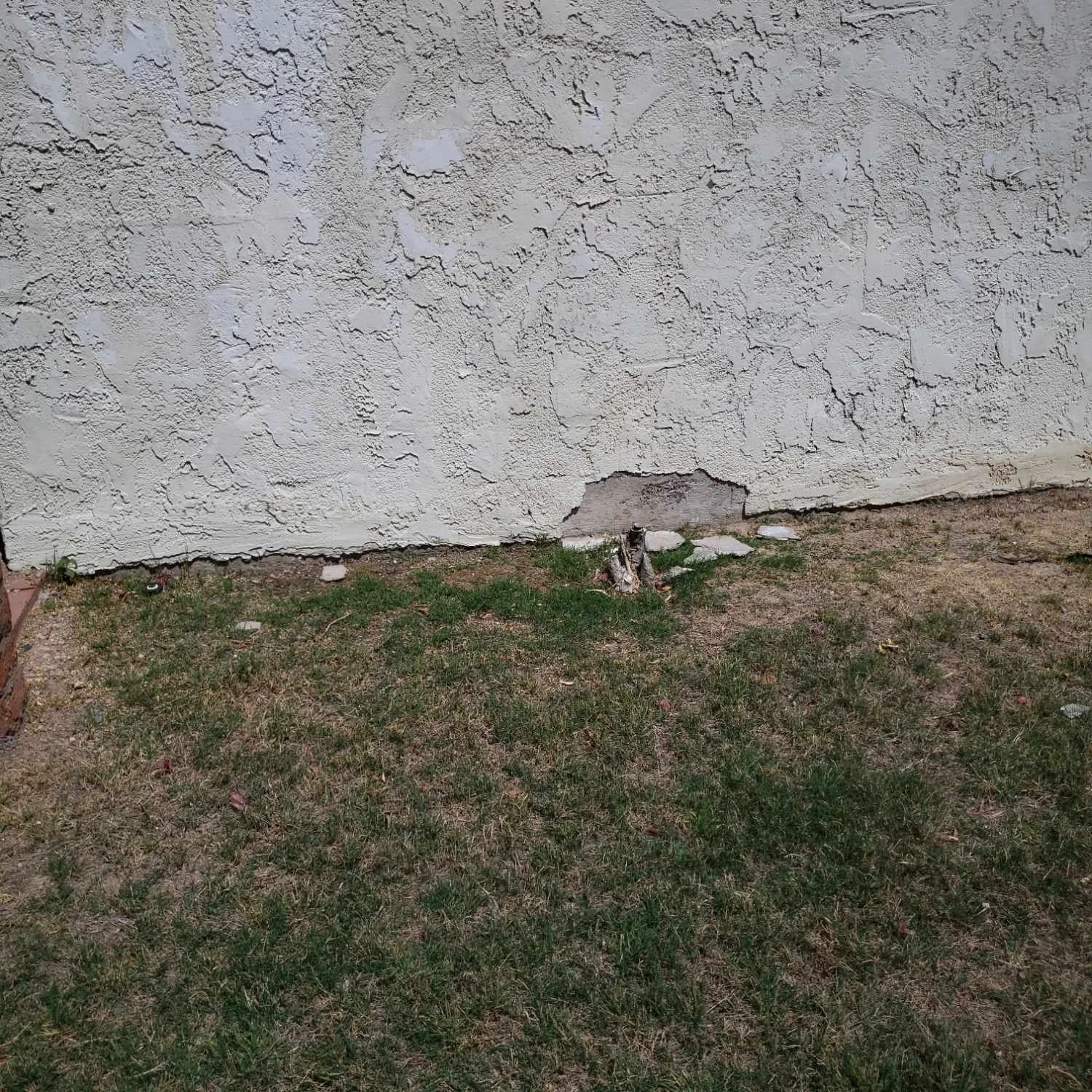
Exterior finishes like stucco should be inspected before project completion. Chipping or cracking during the construction phase can signal improper installation, moisture intrusion risks, or curing issues that are easier to fix before final finishes are applied.
Turning the plans into a reality is one of the most difficult yet crucial parts of the construction process. The physical construction phase mainly consists of on-site operations, which would involve coordinating with the crew to execute tasks required to build the building.
Those operations would involve every step of what most people think of with construction, from building the foundation to adding the framing. However, there are several other responsibilities, like monitoring progress and documenting the process.
4. Post-Construction Phase
The post-construction phase primarily involves verifying that everything meets the plans and that stakeholders are satisfied. Ideally, every portion of the project complies with both the contract details and the building codes. Any deficiencies, such as incorrect installations or material modifications, should be addressed before handover.
What phase of construction are inspections needed?
The post-construction phase is the most common stage for inspections. However, it’s crucial to keep a close eye on pre-construction and physical construction.
Here are a few inspections to consider and when to get them.
Pre-Slab Inspection
Also known as pre-pour inspection, the pre-slab inspection entails that site preparation during the pre-construction phase should also involve analysis. Several factors, like the condition of the soil and drainage, make it an unstable site for conducting construction operations. There are also findings that underground climate change can cause building foundations to move or even crack.
Before starting construction, assess which foundation type is suitable. Concrete slabs are often preferred for stability and longevity, but it’s critical to confirm other details like slab type, thickness and moisture resistance.
Pre-Drywall Inspections
The pre-drywall inspection is conducted during the physical construction phase, specifically right before any structural members of the house, such as frames and drywall, are integrated. It’s an excellent opportunity to assess connections behind the walls, such as electrical wires and plumbing pipes.
Running a pre-drywall inspection can also reveal the viability of the area's insulation and ventilation systems. Reversing these kinds of decisions can require costly repairs and potentially damage the home's structure, which is why it’s crucial to spot issues early.
Final Walkthrough Before Closing
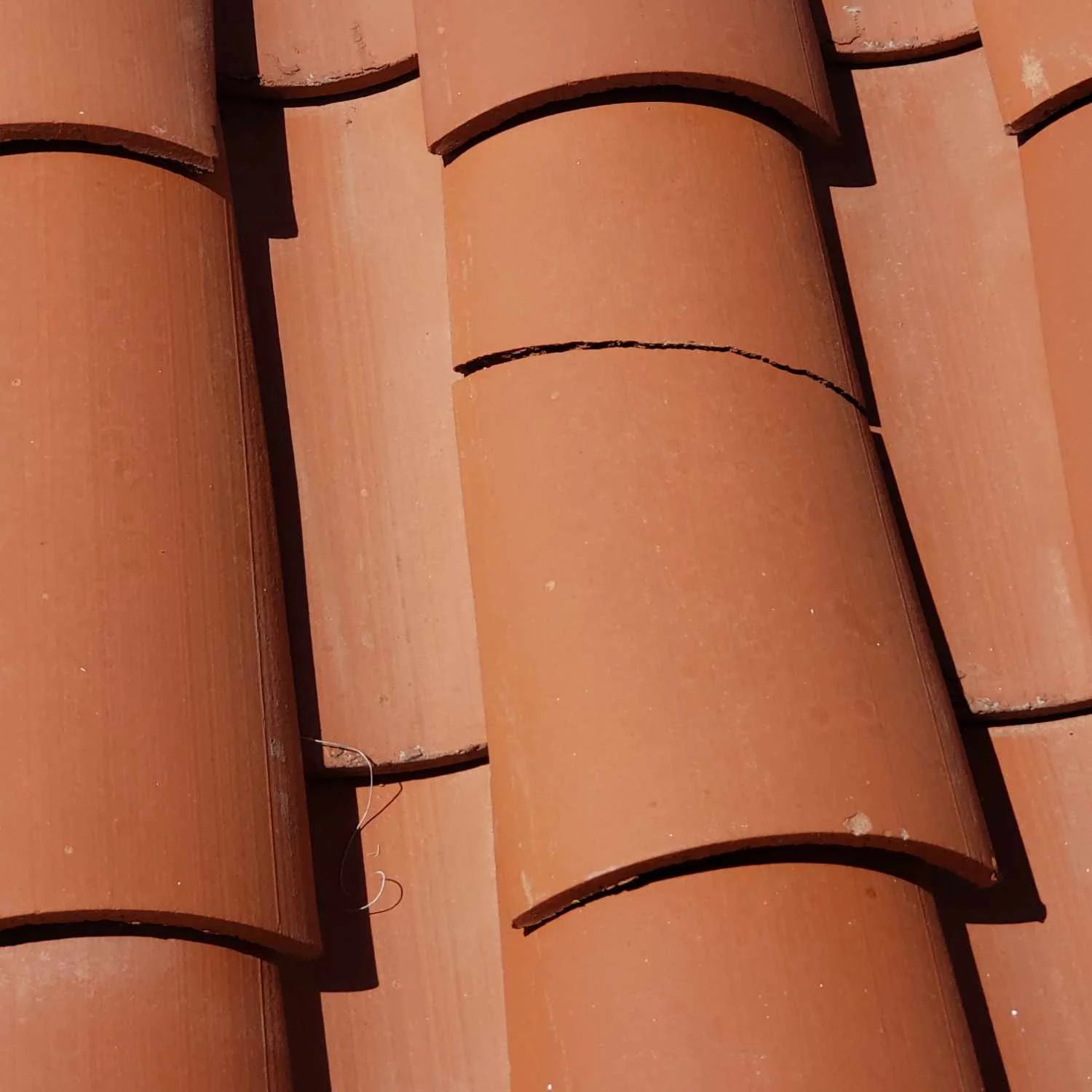
Even new construction homes can have defects. A cracked terra cotta tile found during a final walkthrough inspection can compromise roof integrity and should be addressed before closing.
A final inspection before handover will typically include checking the exterior and interior. Mechanical systems, such as HVAC systems and household appliances, should also be operating correctly. Some builders will offer a warranty inspection after months of occupancy to determine whether the building remains in compliance with the contract.
The Bottom Line
Safety is everything with a new home. You can get the most out of your Arizona home inspection by timing it during specific construction phases. That way, you get as much information and reassurance that the project is progressing smoothly.