5 Issues We Find the Most Often in Pre-Listing Inspections in Arizona
It’s no secret that sellers want to have a smooth and profitable sale. A Pre-Listing inspection is a proactive strategy that helps determine potential issues before listing the property.. Here are five common issues that we find during Pre-Listing inspections in Arizona and what you can do about them.
What Is a Pre-Listing Inspection?
A Pre-Listing inspection involves a home inspector evaluating all major systems of the property, allowing you to identify and address defects before they become bigger problems. This process can be done for both old and new homes, providing you and your buyer with peace of mind.
The goal is to create a property inspection list of a home’s current condition, not to give it a passing or failing grade. As such, it gives you an advantage to address the problems before they enter the Arizona real estate inspection period with a potential buyer.
5 Common Home Inspection Issues in Arizona
In Arizona, certain concerns tend to appear more often due to the unique weather and environmental conditions. Understanding these common issues ahead of time can help you address any potential issues early.
1. HVAC System Strain and Failure
Arizona’s extremely hot temperatures can strain HVAC systems, reducing their efficiency and capacity. Mechanical engineer Srinivas Garimella noted that the newest systems in the U.S. are designed for 95° Fahrenheit, but as temperatures rise, HVAC systems are working harder.
Common inspection findings include refrigerant leaks, inefficient ductwork, aging compressors and clogged filters. These should not be treated as minor home inspection issues, since they impact the comfort of the people living in your property.
2. Sun and Storm-Damaged Roofs
Your roof is constantly exposed to UV rays. Additionally, the monsoon season brings heavy rain and high-wind dust storms that can damage your roof. These weather events are the primary culprits of roof damage. Around 70% to 90% of residential catastrophic losses are associated with roof issues, yet only 38% of Americans conduct regular inspections.
A pre-listing inspector can help spot common issues, such as torn shingles, cracked tiles and leaks. To prevent or minimize these issues, they may require you to schedule a professional roof inspection, clean gutters and repair flashings.
3. Plumbing, Leaks and Hard Water Damage
Hard water is a resource with a high dissolved mineral content of magnesium and calcium. The groundwater in the Phoenix area is naturally hard, and while it’s safe to drink, it can harm your plumbing. Some common signs include a white, chalky residue on showerheads, faucets and sinks.
Slow leaks from aging pipes are another frequent discovery on an inspector’s property defect list. Such problems are common in Arizona, and a professional inspection can help you and your buyer learn more information about your property and the current market.
4. Faulty or Outdated Electrical Panels
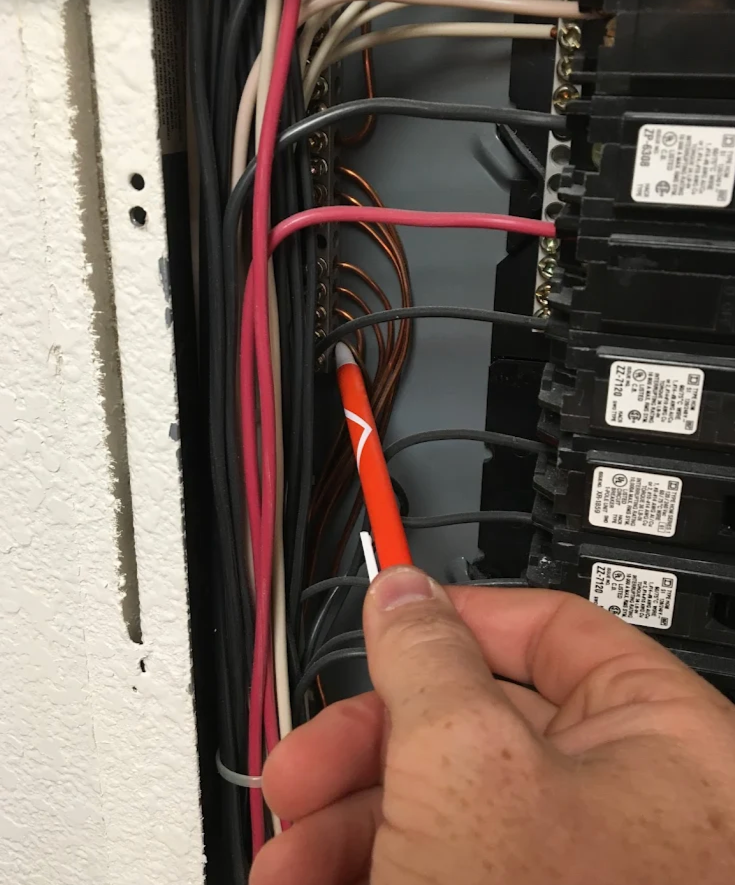
Electrical panels are a common finding in Arizona pre-listing inspections, especially older panels that may struggle with modern AC loads and extreme heat conditions.
Arizona inspections commonly identify faulty or older panels. In the state’s extreme climate, older panels struggle to handle modern electrical demands, such as air conditioning, which may lead to overheating, frequent tripped breakers and potential fire hazards.
Your inspector may spot overloaded panels, aluminum branch circuits and exterior panel damage due to the intense sun and monsoon moisture. Fixing unsafe electrical panels before listing shows buyers the property is well-maintained.
5. Foundation and Structural Stress
Arizona's expansive soil can swell with moisture changes and shrink once it dries out. These changes can put pressure on your property’s slab, footings and stem walls. If left unchecked for too long, the stress can lead to long cracks in your floors or walls, gaps around windows and sagging rooflines.
An inspection specialist can spot early warning signs, such as cracks in drywall, sticking doors, uneven floors or visible fissures in the foundation. These are red flags that need to be addressed quickly.
How to Tackle Your Pre-Listing Repair List
After a pre-listing inspection, the inspector will hand you the report detailing the repairs you need to make. Here’s what to do next:
Review findings: Analyze the report with your real estate agent to understand the severity of issues. Take note of major red flags, such as foundation cracks, outdated electrical systems and structural problems.
Fix critical issues: Group repairs into categories, like urgent, high-impact and low priority.
Update disclosures: Ensure all known material and structural issues are documented in your property disclosure statement. Transparency builds trust with your buyer and provides legal protection.
Get updated estimates: Your real estate agent can provide an expert opinion or an updated comparative market analysis to estimate your home’s potential list price after the repairs are completed.
Get a Pre-Inspection to Catch Issues Before Buyers Do
A Pre-Listing inspection gives you clarity and control once your home hits the market. By understanding your home’s condition upfront, you can make informed decisions and reduce the chance of last-minute negotiations.
Dwell’s experienced Arizona inspectors can provide clear, straightforward insights you can actually use. That way, you’re prepared long before a buyer schedules their inspection.