
Why Brand-New Homes Still Need Inspections
Buying a brand-new home feels like starting with a clean slate. Everything is new, untouched, and built to today’s standards. For many buyers, that raises a reasonable question: Do new homes actually need inspections?
The short answer is yes. New homes still need inspections because even well-built homes can have hidden issues that aren’t obvious at first glance. A new home inspection isn’t only about finding fault. It’s about understanding the home you’re buying and making sure it’s finished the way it was intended.
Do New Homes Really Need Inspections?
This is one of the most common questions buyers ask, and it’s a fair one. The answer is yes. A new home hasn’t had years of wear and tear, so it feels like problems shouldn’t exist yet. But inspections don’t focus on age; they focus on installation, safety, and performance.
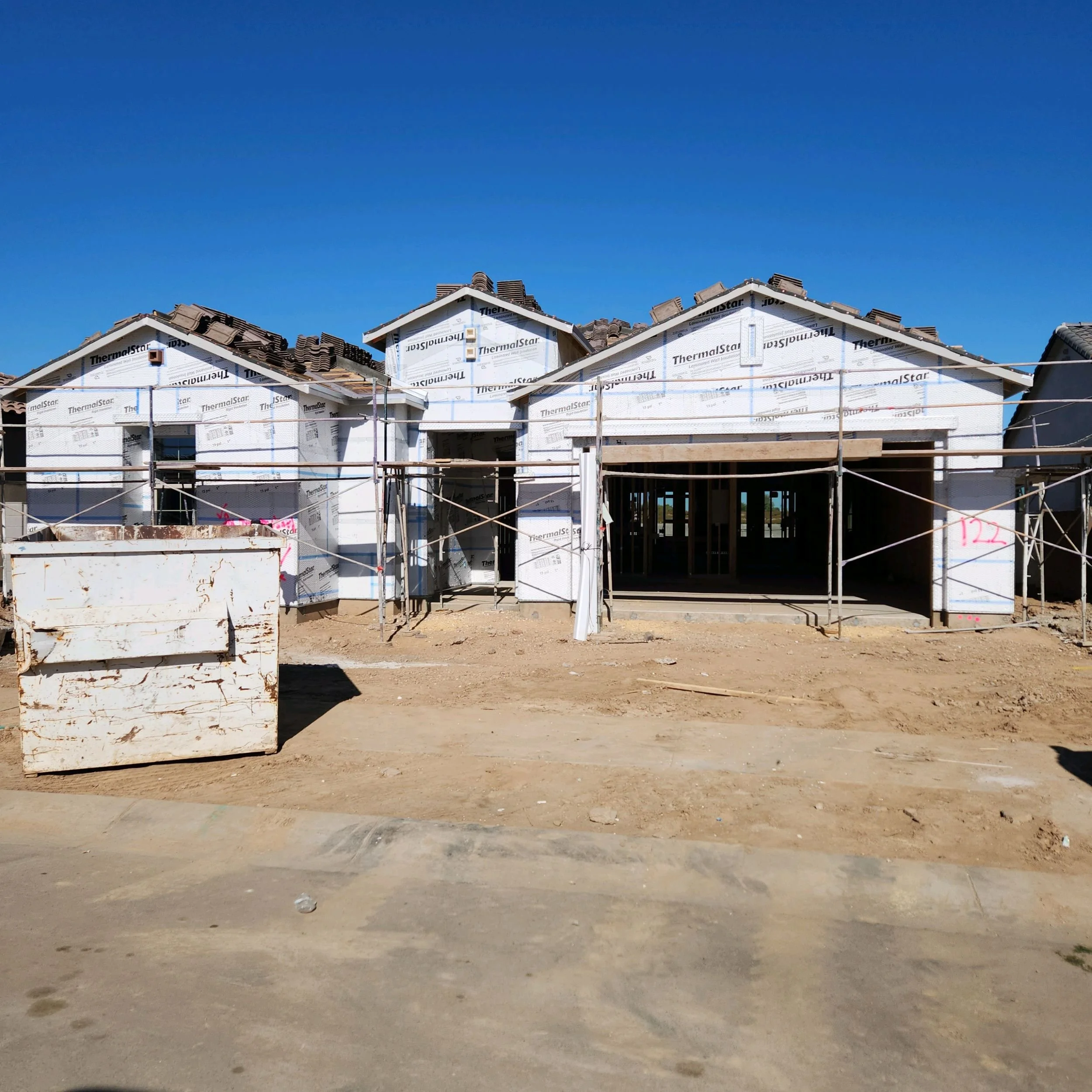
Do new homes actually need an inspection? The simple answer is yes.
A home inspector evaluates whether systems and components were installed correctly, not just whether they’re brand new. In practice, inspectors often find items that were missed, rushed, or installed slightly incorrectly during construction. Catching those issues early helps buyers avoid surprises and gives builders the opportunity to address them while the home is still under warranty.
Why City Inspections Aren’t the Same Thing
Another common misconception is that the city or county inspection already covers everything. Municipal inspections play an important role, but their purpose is limited. City inspectors are typically checking for basic code compliance at specific stages, and they may only be on-site for a short time.
A private home inspection serves a different purpose. It’s a more comprehensive review focused on the buyer’s best interests, not just minimum standards. Independent inspectors take the time to look closely at systems, materials, and workmanship, and they explain what they see in plain language. That extra layer of review is why many buyers choose inspections even on brand-new homes.
What Inspectors Commonly Find in New Construction
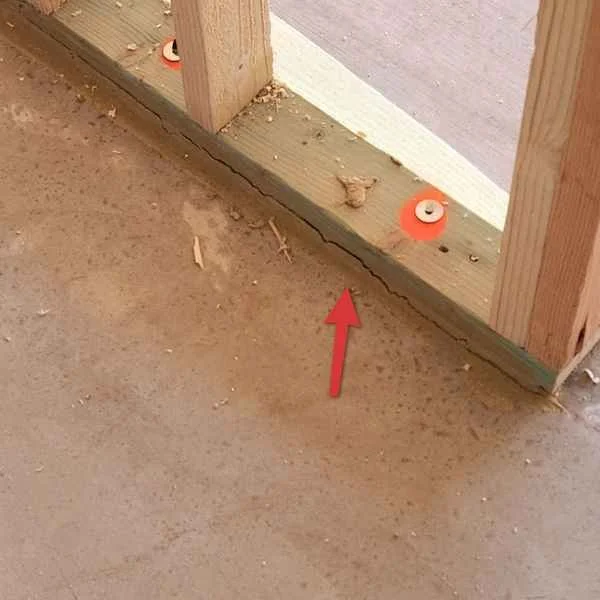
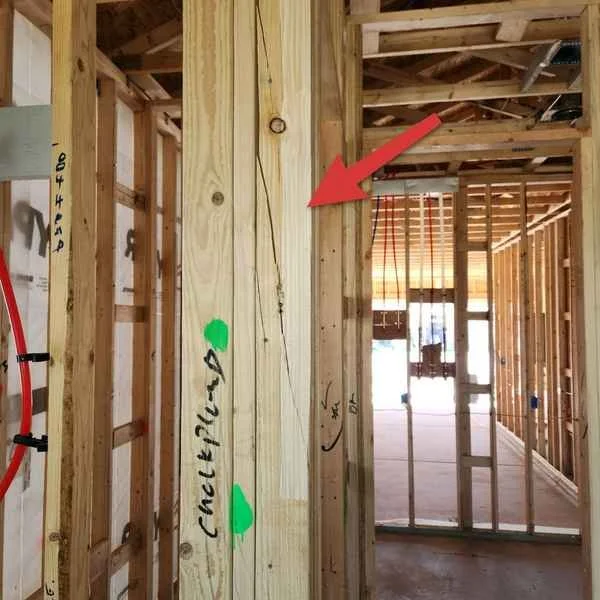
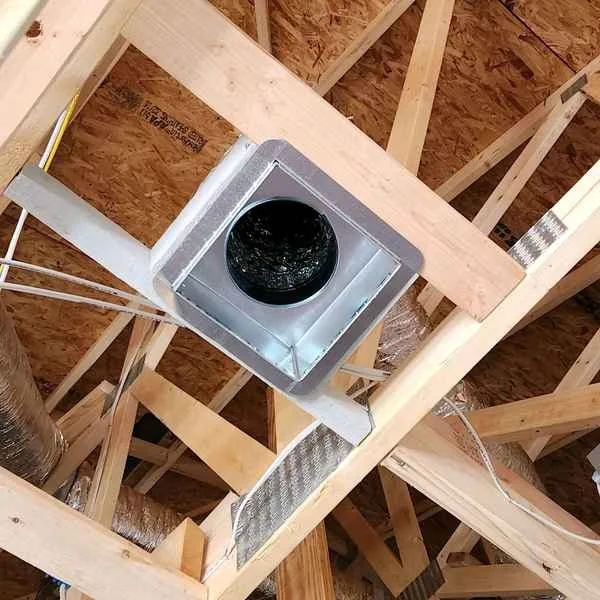
One of the biggest surprises for buyers is how often inspectors find issues in new homes. These aren’t usually dramatic failures, but small problems that can turn into bigger ones if left unaddressed. Many of the most common findings fall into a few key categories.
Structural and framing issues
Electrical system problems
Plumbing issues
HVAC and mechanical problems
Building envelope and moisture concerns
Insulation and energy gaps
Safety issues
Poor worksmanship
These findings don’t mean a home was poorly built. They reflect the reality of complex construction projects, where having an extra set of trained eyes can make a meaningful difference.
The Value of a Pre-Drywall Inspection
A pre-drywall inspection typically happens after framing, plumbing, electrical, and mechanical systems are installed but before insulation and drywall go up. At this stage, everything is visible, which makes it one of the most informative inspections for a buyer..
Inspectors can see structural framing, wiring runs, plumbing lines, and ductwork clearly. That visibility makes it easier to identify issues that could affect long-term performance. Addressing these items before drywall goes up is usually simpler and less disruptive.
Here’s the important part- a new home might have thousands of dollars worth of repairs. A pre-drywall inspection can reveal those flaws for a fraction of the cost ($450 to $650). That way, you can feel more confident about what’s behind the walls when moving forward with your new build home. .
The Importance of a Pre-Closing Inspection
The final inspection, often done just before closing, carries a lot of weight for buyers. This is the point when the home appears complete, systems are operational, and the buyer is preparing to take ownership.
During a pre-closing inspection, the inspector evaluates the home as a finished product. This includes testing appliances, HVAC systems, plumbing fixtures, electrical outlets, and safety features. Here is a pre-closing checklist that you can use during the walkthrough.
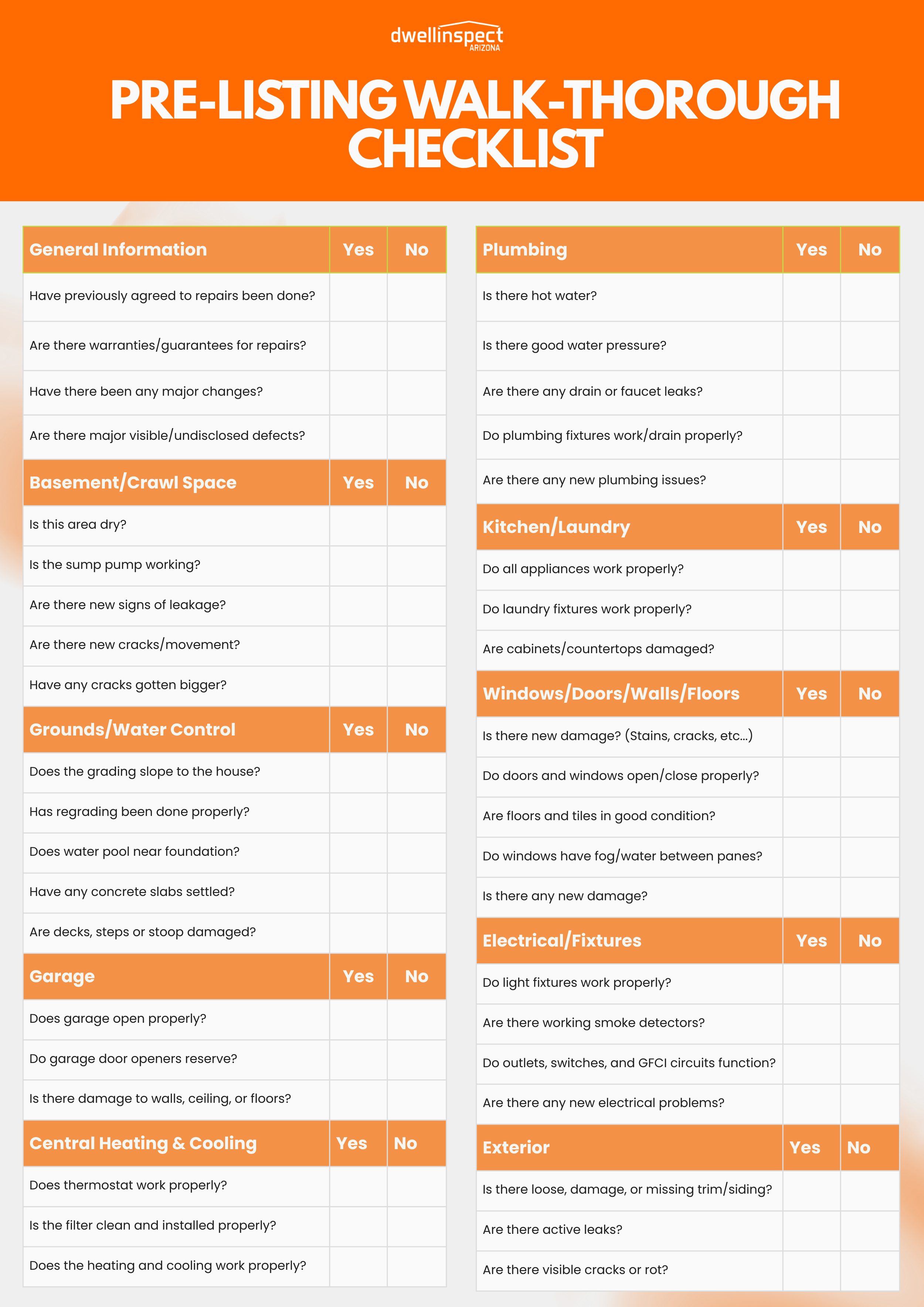
Even though the home is new, this inspection helps confirm that everything is working properly on move-in day. It also creates a clear, documented snapshot of the home’s condition at the time of purchase, which can be helpful for future reference.
The Often-Overlooked 11-Month Warranty Inspection
Many builders provide a one-year warranty, and having an inspection before the warranty expires is extremely valuable. An 11-month warranty inspection gives homeowners a chance to identify issues that may have developed after months of living in the home.
As homes settle and go through seasonal changes, small issues can become more noticeable. Doors may stick, cracks can appear, or systems may not perform as expected. An inspection at this stage helps homeowners compile a clear list of concerns to submit before the warranty expires.
This step closes the loop on the new construction process, ensuring that the home continues to meet expectations beyond move-in day.
What Buyers Should Take Away
New homes offer many advantages, but “new” doesn’t automatically mean “perfect.” Inspections help buyers understand their home, protect their investment, and move forward with clarity instead of assumptions. After all, when everyone shares the same information, the transaction tends to move more smoothly from start to finish.